Savory Korean BBQ Chicken Bowls for Perfect Weeknight Dinners
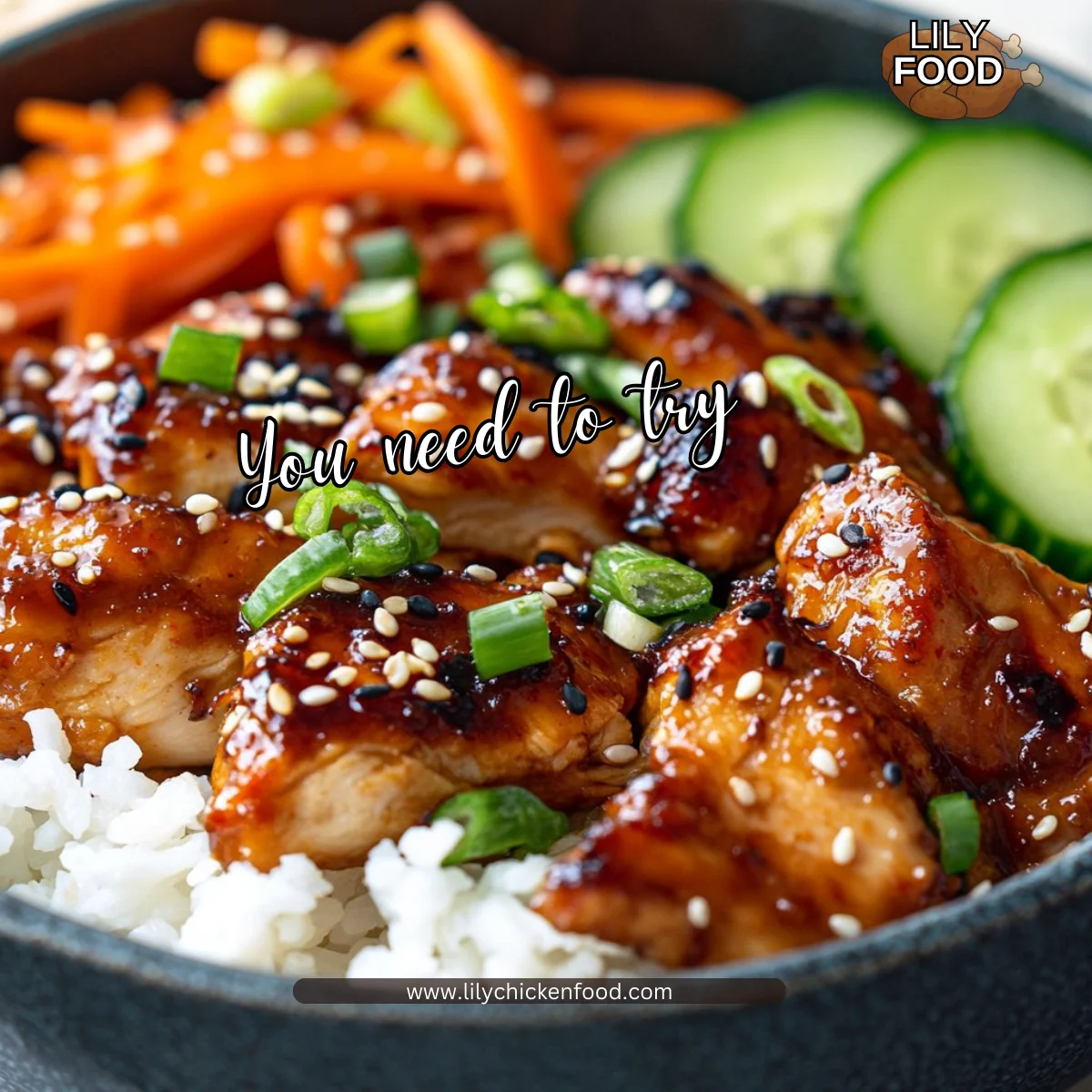
I remember walking into my kitchen the first time I made these Savory Korean BBQ Chicken Bowls and feeling like the room changed. The sweet and spicy scent of gochujang and ginger filled the air. The pan sang as the chicken sizzled, and my family gathered around the counter, curious and hungry.
This bowl is one of those weeknight miracles that tastes like you spent all afternoon, but you did not. If you are looking for a reliable dinner that feels special but comes together quickly, you might also enjoy my collection of recipes for best 5 easy chicken recipes for weeknight dinners. I keep this bowl in my regular rotation because it feeds everyone, stores well, and uses simple ingredients.
Why this works
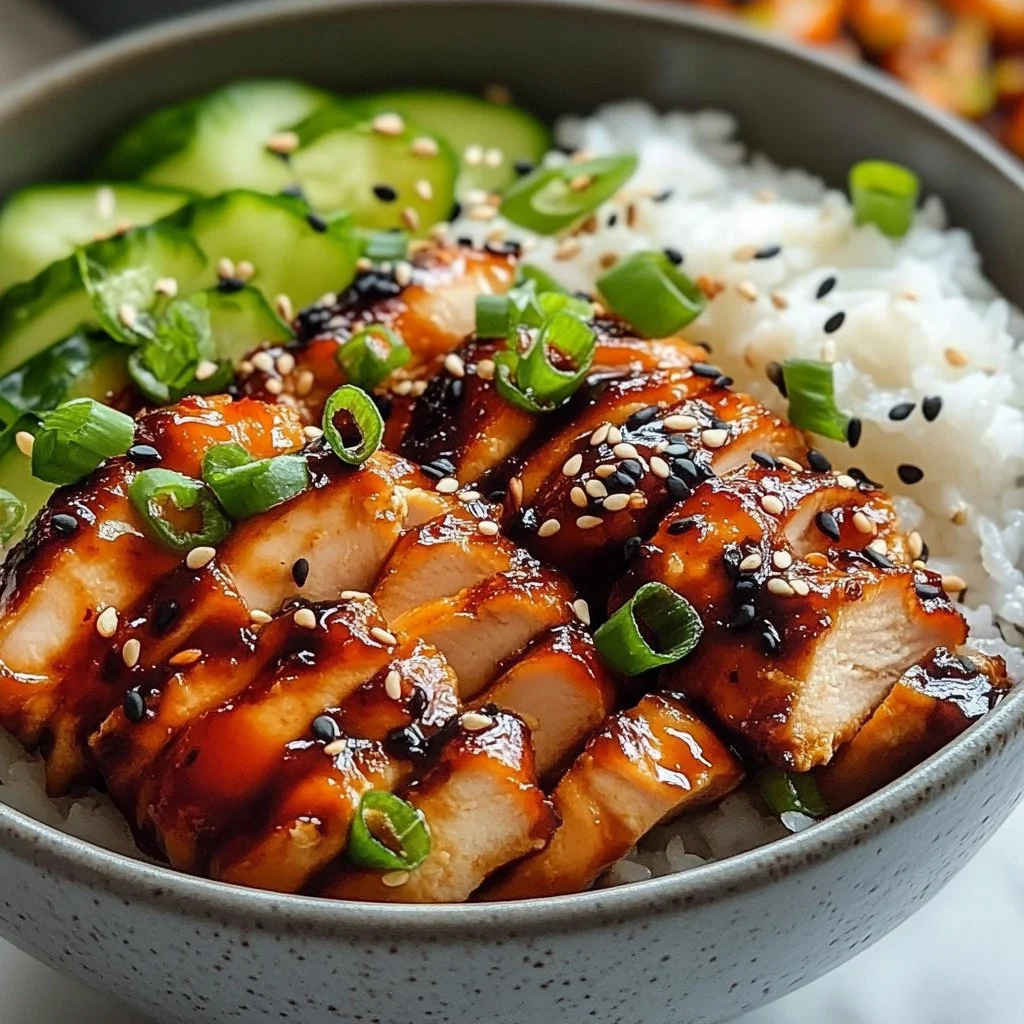
This recipe balances three important things for busy families. First, it is fast. The marinade doubles as a sauce, so you do not need extra steps. Second, it is flexible. Swap rice for quinoa, or leave out the gochujang for milder flavors. Third, it is tasty. The sweet, salty, and spicy notes create a deep flavor that kids and adults often both enjoy.
I lean on this dish for family nights when time is tight and appetites are large. If you need more weeknight inspiration that stretches a small amount of effort into several meals, try the ideas in my best 9 chicken recipes for weeknight dinners. Those recipes follow the same principle: simple prep, big payoff.
Process Overview
“This is where the magic happens—when the aroma fills the kitchen.”
The process is straightforward. You mix the marinade, toss the chicken, sear or grill quickly, and assemble the bowls. The key moments are letting the sauce cling to the chicken and allowing a hot pan to caramelize the sugars for those delightful browned bits.
For busy evenings, you can marinate the chicken in the morning and finish in the evening. If you prefer set-and-forget, check my collection of slow cooker ideas like the best crock pot chicken recipes for alternative hands-off meals.
Ingredients
- 1 pound Chicken Thighs, cut into 1-inch pieces
- Tip: Thighs stay juicy and handle high heat well. If you prefer breasts, cut them into slightly smaller pieces and watch the cooking time.
- 1/4 cup Low-Sodium Soy Sauce, or tamari for gluten-free
- Tip: Using low-sodium soy sauce keeps the bowl balanced. Taste and adjust at the end if you want saltier flavor.
- 2 tablespoons Gochujang, adjust to preferred spice level
- Tip: Start with less if your family is sensitive to heat. You can add a touch more at the table for those who like spice.
- 2 tablespoons Brown Sugar, honey is a great alternative
- Tip: Brown sugar helps caramelize the chicken. If you use honey, reduce heat slightly to prevent burning.
- 1 tablespoon Sesame Oil, other oils can be used, but will have different flavor
- Tip: A little sesame oil gives authentic aroma. Use vegetable oil for searing if you do not have sesame oil, then drizzle sesame oil at the end.
- 2 cloves Garlic, minced
- Tip: Fresh garlic packs the best flavor. If you are in a pinch, 1/2 teaspoon garlic powder will work.
- 1 tablespoon Fresh Ginger, grated or powdered can be used
- Tip: Fresh ginger brightens the sauce. Use 1/2 teaspoon ground ginger if needed.
- 2 tablespoons Rice Vinegar, or apple cider vinegar
- Tip: Rice vinegar adds a subtle tang that balances sweetness. Apple cider vinegar has a stronger flavor, so use slightly less.
- 2 cups Cooked Rice, jasmine or brown rice
- Tip: Make rice ahead or use a rice cooker on timer. Brown rice adds fiber and keeps you full longer.
- 1 cup Cucumber, sliced
- Tip: Seed the cucumber if you prefer less moisture in the bowl.
- 1 cup Carrots, sliced thinly or shredded
- Tip: Matchstick carrots add color and crunch. You can quick-pickle them in a splash of rice vinegar for brightness.
- 1 cup Edamame, fresh or frozen
- Tip: Frozen edamame thaws quickly in boiling water and boosts protein and color.
- 1/2 cup Kimchi, for authentic flavor
- Tip: Kimchi brings acidity and umami. If you do not like kimchi, use a small splash of rice vinegar and a few sesame seeds.
- 1 tablespoon Sesame Seeds, for texture
- Tip: Toast sesame seeds briefly for a nuttier taste.
- 2 tablespoons Green Onions, thinly sliced
- Tip: Add on top just before serving for freshness and crunch.
Directions
-
Mix the sauce.
- In a bowl, combine soy sauce, gochujang, brown sugar, sesame oil, garlic, ginger, and rice vinegar. Whisk until smooth.
- Encouragement: Smell the mixture. You should notice a sweet and spicy perfume that tells you the bowl will be lively.
-
Marinate the chicken.
- Toss the chicken pieces with about two-thirds of the sauce. Reserve the rest to finish the bowls.
- Encouragement: If you have time, let the chicken sit for 20 to 30 minutes. Even 10 minutes improves flavor.
-
Prepare rice and vegetables.
- Reheat or cook rice to reach 2 cups cooked. Slice cucumbers, shred carrots, and steam edamame if frozen.
- Encouragement: Use this time to set out bowls and toppings so assembly is quick once the chicken is done.
-
Heat the pan.
- Warm a large skillet over medium-high heat and add a splash of neutral oil. The pan should be hot enough that a drop of sauce sizzles.
- Encouragement: A hot pan gives you the caramelization you want. Do not overcrowd the pan or the chicken will steam instead of brown.
-
Cook the chicken.
- Add the marinated chicken to the hot skillet in a single layer. Let it sear without moving for 2 to 3 minutes, then stir and cook another 3 to 4 minutes until cooked through and slightly caramelized.
- Encouragement: If some pieces brown more than others, that is okay. Those browned bits bring deep flavor to the bowls.
-
Glaze with reserved sauce.
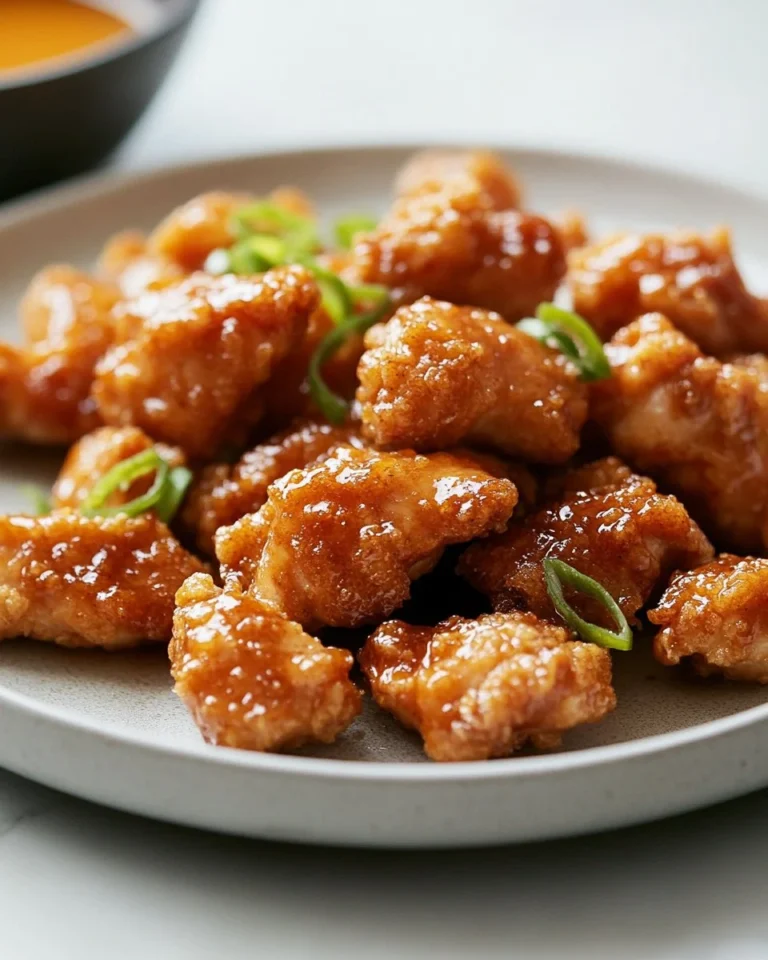
- Pour the reserved sauce into the pan and toss with the chicken for 1 minute until it thickens slightly and coats the pieces.
- Encouragement: The sauce will become glossy. That sheen is part of what makes each bite satisfying.
-
Build the bowls.
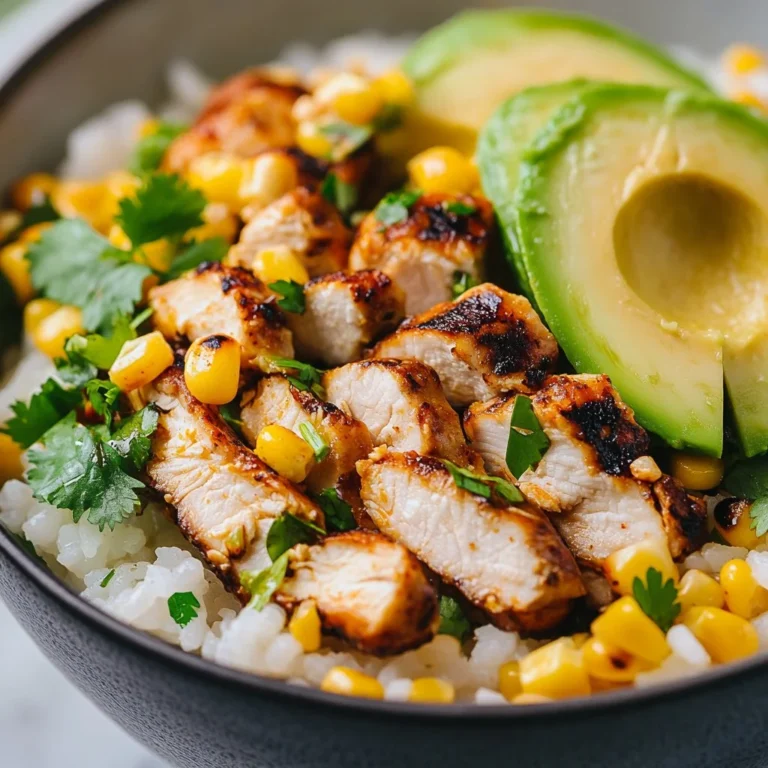
- Divide rice between bowls, top with chicken, then arrange cucumbers, carrots, edamame, and kimchi. Sprinkle sesame seeds and green onions on top.
- Encouragement: Let each family member customize. Bowls are great for picky eaters because everyone can choose their toppings.
-
Final taste check.
- Taste one bite and adjust with a sprinkle of salt, a dash of soy, or an extra spoonful of kimchi juice for tang.
- Encouragement: A small adjustment at the end turns good into great. Trust your palate.
If you love hands-off options for busy nights, you can adapt this flavor profile for a rotisserie chicken in a hurry. I describe similar quick swaps in my post about deliciously easy rotisserie chicken recipes for busy weeknights.
Serving
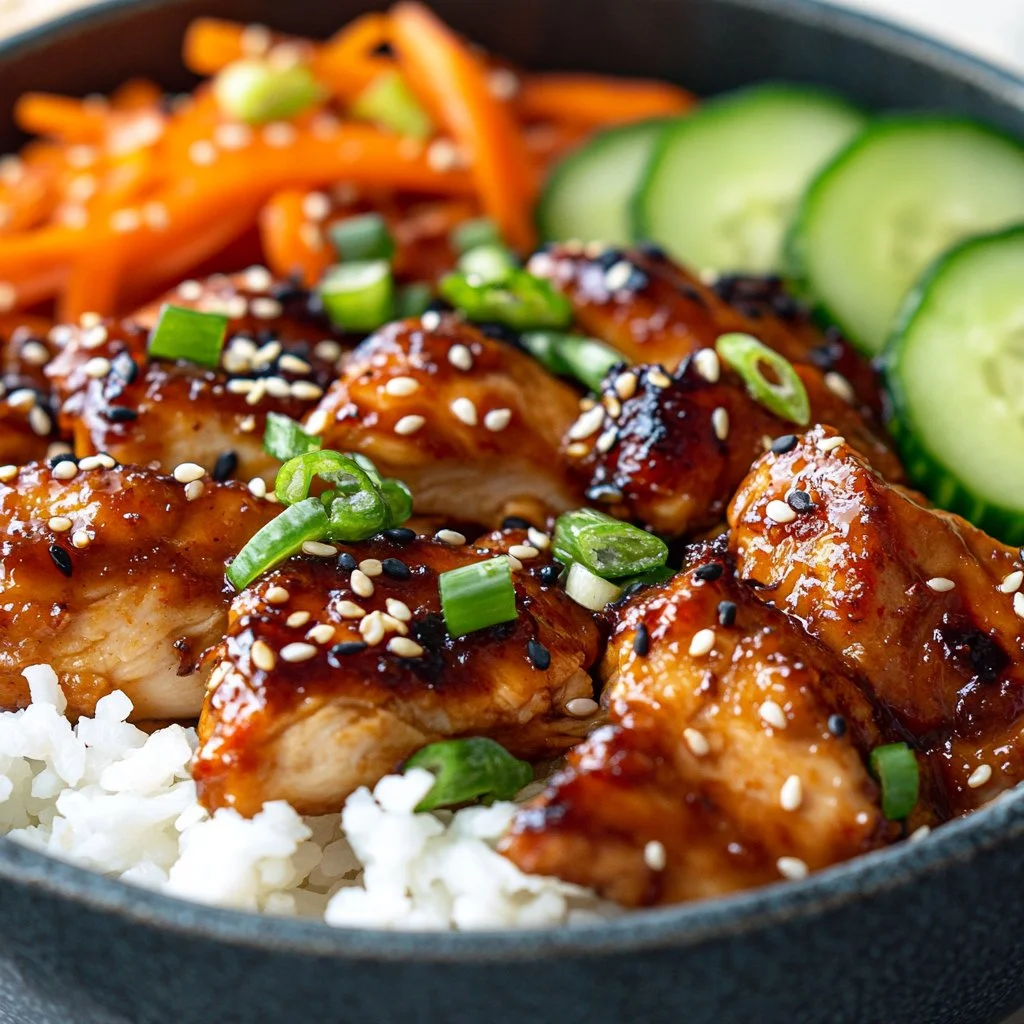
Serve family-style with bowls set at the center of the table. Place extra kimchi, gochujang, and sesame seeds in small dishes so everyone can adjust heat and texture. Offer napkins and a bowl for bones or trimmings if you used bone-in chicken.
For children, build a milder version without kimchi and with less gochujang. Keep a small plate of plain rice for very picky eaters and a side of fresh cucumber slices for crunch. My family eats from the same bowls but everyone assembles them slightly differently.
Storage
-
Refrigerator: Store leftover chicken and toppings separately from rice in airtight containers for up to 3 to 4 days.
- Tip: Keeping components separated prevents the rice from getting soggy and retains texture.
-
Freezer: Cooked chicken and sauce freeze well for up to 2 months. Freeze in meal-sized portions.
- Tip: Thaw in the refrigerator overnight before reheating.
-
Reheating: Reheat chicken in a skillet over medium heat with a splash of water or oil to prevent drying. Microwave gently in 30-second increments if short on time.
- Tip: Add a squeeze of rice vinegar or a few drops of sesame oil after reheating to revive bright flavors.
Kitchen Notes
- Use boneless, skinless thighs for even cooking and less mess.
- If you like charred flavor, finish the chicken on a hot grill for 1 to 2 minutes per side.
- Make extra sauce and keep it in the fridge to top leftovers or use as a dipping sauce for vegetables.
- Quick-pickle the carrots in a 1 to 1 water and vinegar bath with a pinch of sugar for 10 minutes to add brightness.
- If you are short on time, buy pre-cooked rice from the grocery section and frozen pre-sliced carrots.
Variations
- Milder kids version: Reduce gochujang to 1 teaspoon and skip kimchi. Add a little honey for sweetness.
- Gluten-free: Use tamari instead of soy sauce and ensure your gochujang is certified gluten-free.
- Low-carb: Swap rice for cauliflower rice or a bed of mixed greens for a lighter bowl.
- Vegan option: Replace chicken with pressed tofu or tempeh and follow the same marinade and cooking method.
- Meal-prep bowl: Double the recipe, portion into containers with rice and vegetables, and refrigerate for lunches all week.
If you want an alternative saucy bowl with similar family-friendly appeal, my bang-bang chicken bowl offers a different but equally comforting flavor. You can read about it in my bang-bang chicken bowl recipe post.
FAQ
Q: Can I use chicken breasts instead of thighs?
A: Yes. Use slightly smaller pieces and watch cook time so they do not dry out. Breasts cook faster than thighs and benefit from a quick sear.
Q: How spicy is this for children?
A: The heat level depends on your gochujang. Start with 1 teaspoon for kids and increase later for adults. The sauce has sweet and savory notes that often balance the spice.
Q: Can I make this gluten-free?
A: Absolutely. Swap soy sauce for tamari and verify that your gochujang does not contain wheat. Many brands offer gluten-free options.
Q: Is there a low-sugar alternative?
A: Use honey or a sugar substitute like coconut sugar. Taste and reduce heat slightly when using liquid sweeteners to prevent burning.
Q: What side dishes pair well with these bowls?
A: Simple sides like steamed broccoli, a mixed green salad, or quick-pickled veggies pair well. I also like serving a small miso soup on the side for a heartier meal.
Conclusion
I hope these Savory Korean BBQ Chicken Bowls become a trusted recipe in your weeknight lineup. They offer comfort, speed, and the kind of bold flavor that brings the family to the table. If you want another take on grilled Korean flavors, check out this helpful recipe for Grilled Korean BBQ Chicken from The Real Food Dietitians. For more bowl-style inspiration with simple prep, this BBQ Chicken Rice Bowls recipe at Jar Of Lemons is a great companion to try next.
Thanks for cooking with me. Come back soon for more simple, family-first meals.
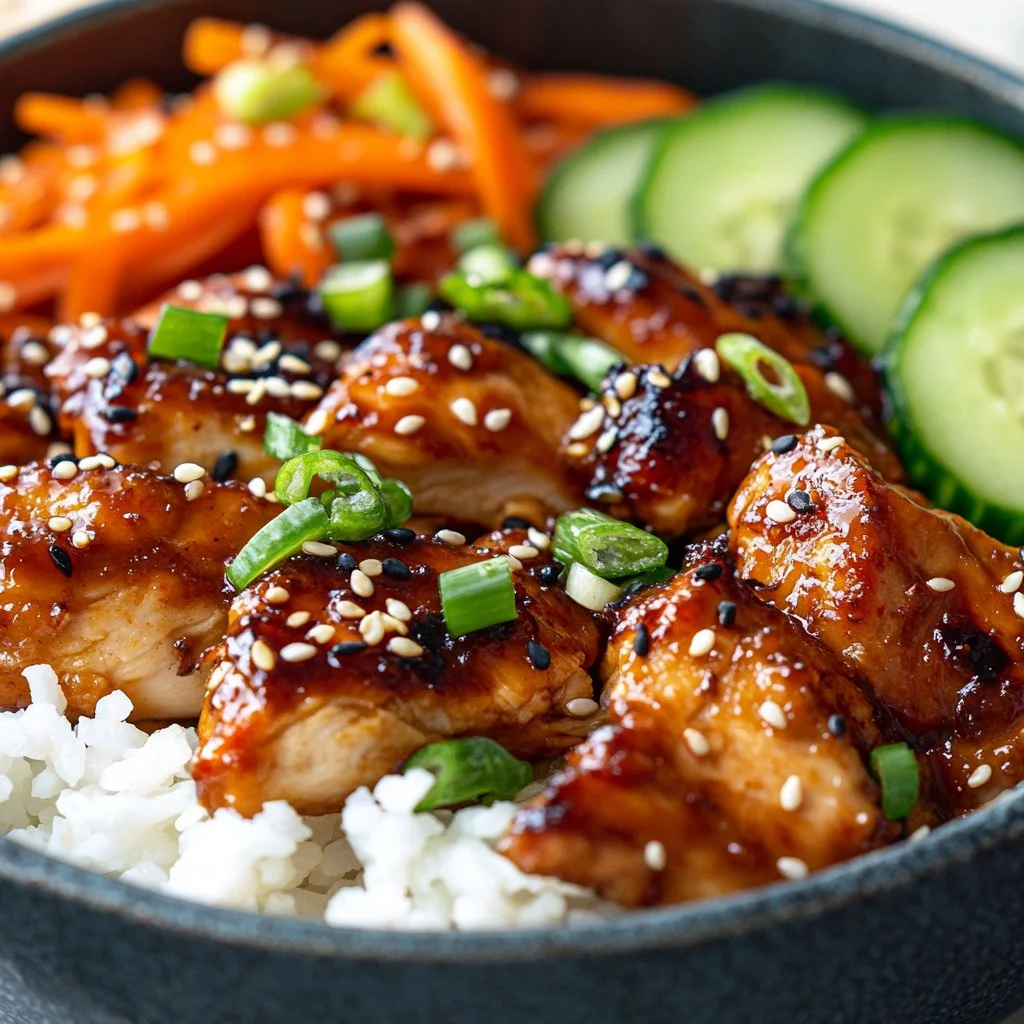
Savory Korean BBQ Chicken Bowls
Ingredients
Method
- In a bowl, combine soy sauce, gochujang, brown sugar, sesame oil, garlic, ginger, and rice vinegar. Whisk until smooth.
- Toss the chicken pieces with about two-thirds of the sauce. Reserve the rest to finish the bowls.
- Reheat or cook rice to reach 2 cups cooked. Slice cucumbers, shred carrots, and steam edamame if frozen.
- Warm a large skillet over medium-high heat and add a splash of neutral oil.
- Add the marinated chicken to the hot skillet in a single layer. Let it sear without moving for 2 to 3 minutes, then stir and cook another 3 to 4 minutes until cooked through and slightly caramelized.
- Pour the reserved sauce into the pan and toss with the chicken for 1 minute until it thickens slightly and coats the pieces.
- Divide rice between bowls, top with chicken, then arrange cucumbers, carrots, edamame, and kimchi.
- Sprinkle sesame seeds and green onions on top.
- Taste one bite and adjust with a sprinkle of salt, a dash of soy, or an extra spoonful of kimchi juice for tang.